


CCM 7603 – Hydrophilic active coating for glass
June 7, 2026
PFAS regulations create new challenges for filtration media and membranes
June 19, 2026Water consumption in solar parks: Why reducing cleaning cycles Is becoming a strategic priority
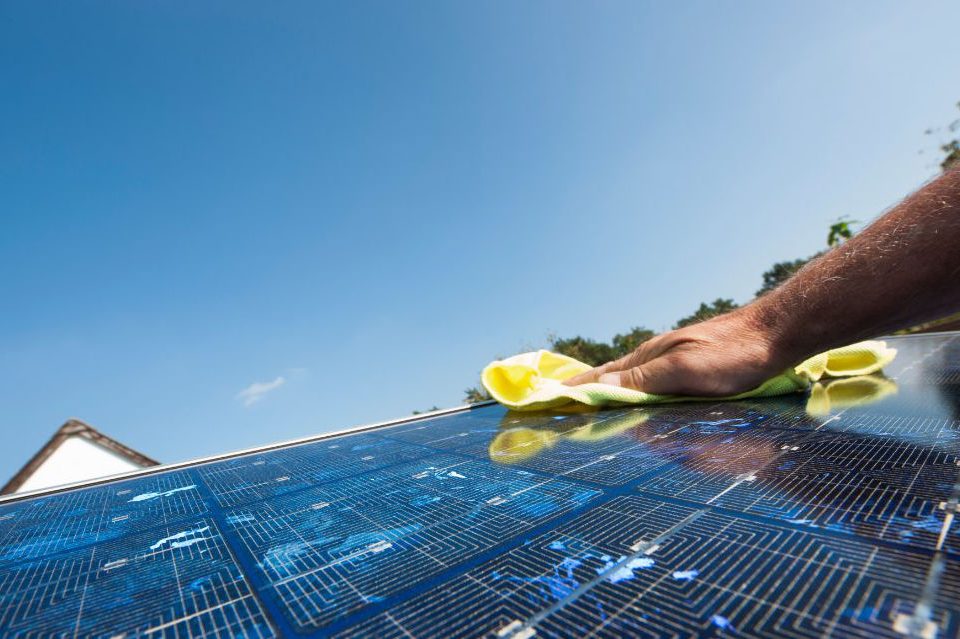
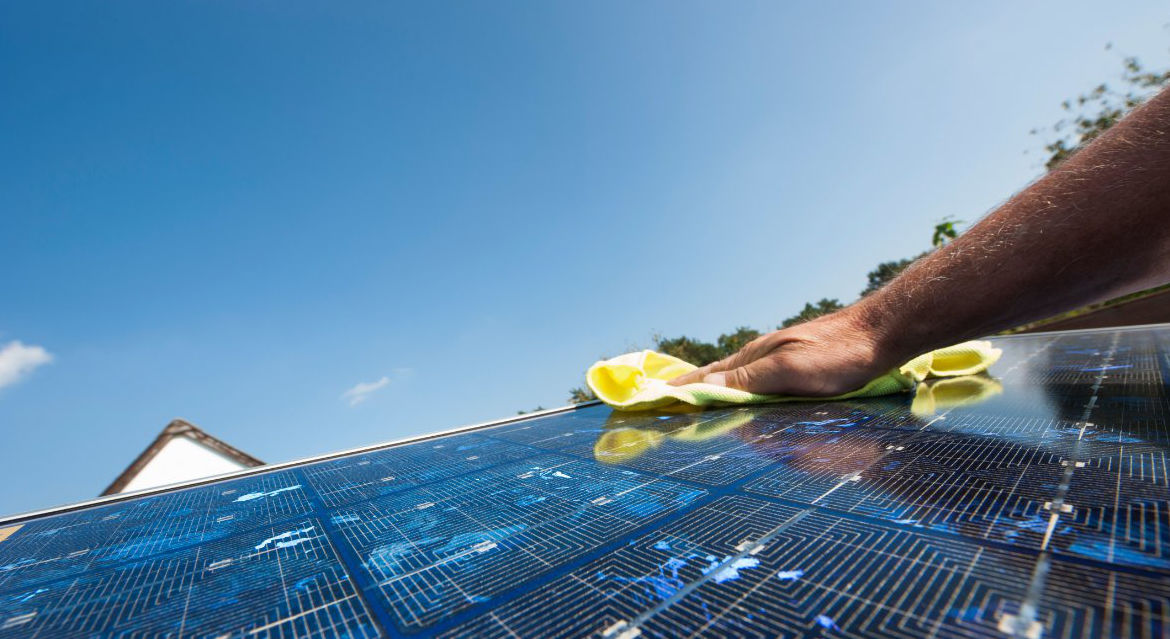
Recent reports from the United Kingdom have highlighted an increasingly important challenge for the solar industry: how to maintain optimal photovoltaic performance while reducing water consumption, maintenance requirements and operating costs.
Media reports from Kent described the cleaning of a large solar park during a period of regional water supply restrictions. Regardless of the specific circumstances of this individual case, the discussion has drawn attention to a broader issue facing solar asset owners worldwide: the growing need to improve resource efficiency throughout the operational life of photovoltaic installations.
Soiling remains a significant source of performance loss
Dust, pollen, agricultural residues, industrial emissions, bird droppings and airborne particles continuously accumulate on photovoltaic modules. This phenomenon, commonly referred to as "soiling", reduces light transmission and can negatively impact energy production.
According to the International Energy Agency Photovoltaic Power Systems Programme (IEA PVPS), soiling is one of the most significant causes of performance losses in photovoltaic systems worldwide, resulting in average annual energy losses estimated at approximately 4–7%.
To mitigate these losses, operators often implement regular cleaning programmes. For utility-scale solar parks, this can involve:
- Significant water consumption
- Labour and equipment costs
- Vehicle deployment
- Operational planning and maintenance resources
- Additional OPEX throughout the asset lifecycle
As solar installations continue to expand globally, operators are increasingly looking for solutions that help maintain performance while reducing resource consumption and operating expenses.
Reducing dirt adhesion can reduce cleaning requirements
Research institutions, asset managers and technology providers around the world are actively investigating methods to reduce the accumulation of contaminants on photovoltaic glass surfaces.
Among the most promising approaches are anti-soiling and advanced surface coating technologies. By modifying surface properties, these solutions can help reduce the adhesion of dust and dirt while supporting the natural cleaning effect of rainfall.
Scientific studies suggest that suitable anti-soiling technologies may contribute to:
- Reduced contamination build-up
- Extended cleaning intervals
- Lower maintenance requirements
- Reduced water consumption for cleaning operations
- Improved long-term operational efficiency
Actual performance depends on a variety of factors, including climate conditions, rainfall patterns, dust composition, installation design, panel tilt angle and maintenance practices.
Sustainability extends beyond renewable energy generation
Solar power plays a vital role in the global energy transition. However, sustainability is increasingly being measured not only by the amount of renewable electricity generated, but also by how efficiently resources are used throughout the operational lifecycle of a solar asset.
For investors, asset managers, EPC contractors and O&M providers, reducing water consumption and maintenance-related costs is becoming an important part of long-term asset optimisation and ESG strategies.
Looking ahead
The recent discussion surrounding water consumption in solar park maintenance highlights a broader industry trend: future photovoltaic assets will increasingly be evaluated not only by the energy they generate, but also by the efficiency with which they utilise valuable resources.
As water availability, sustainability requirements and operating costs continue to gain importance worldwide, technologies that help optimise maintenance strategies and reduce resource consumption are expected to play an increasingly important role in the solar industry.
Disclaimer: The performance of surface coating technologies depends on environmental conditions, contamination levels, maintenance practices and system design. Actual results may vary between installations and operating environments.